


Spine Board Series: A Comprehensive Overview of Different Types and Uses
Welcome to our in-depth exploration of the Spine Board Series: A Comprehensive Overview of Different Types and Uses. In the fast-paced world of emergency medical services (EMS) and healthcare, spinal immobilization is a critical component of patient care, designed to prevent further injury during transport and treatment. Spine boards, often referred to as backboards or spinal boards, serve as essential tools for stabilizing patients with suspected spinal trauma. This comprehensive guide aims to provide a detailed, informative overview of various spine board types, their specific applications, benefits, and why they are indispensable in modern medical practice. Whether you're a first responder, hospital administrator, or safety equipment purchaser, understanding the nuances of these devices can enhance decision-making and improve patient outcomes. By integrating cutting-edge design with practical functionality, our Spine Board Series offers a versatile solution for diverse scenarios, from accident sites to clinical settings.
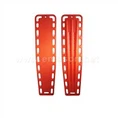
To begin, it's crucial to recognize that spine boards are not a one-size-fits-all solution. Their evolution has led to a range of specialized types, each tailored to address unique challenges in immobilization and transport. Let's examine the primary categories, starting with rigid spine boards. These are the most traditional and widely used variants, typically constructed from high-density polyethylene or composite materials. Rigid boards excel in providing firm support for patients with acute spinal injuries, such as those from falls or vehicle accidents. Their non-flexible design ensures minimal movement during extrication, reducing the risk of secondary damage. Key features include radiolucent properties (allowing X-rays without board removal), ergonomic handles for easy maneuvering, and lightweight builds (often under 10 pounds) that facilitate rapid deployment. For instance, in mass-casualty incidents, rigid boards enable responders to secure multiple patients efficiently, making them a staple in EMS kits worldwide. However, they do have limitations-extended use can cause discomfort or pressure sores, prompting innovations like padded versions for improved patient comfort.
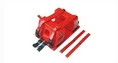
Moving on, foldable or collapsible spine boards represent a significant advancement in the Spine Board Series. These boards are engineered for portability and storage efficiency, perfect for resource-constrained environments like wilderness rescue operations or compact ambulance units. Made from durable yet flexible materials such as reinforced plastics or aluminum alloys, foldable boards can be easily stowed when not in use, saving valuable space. Their primary use lies in dynamic situations where quick setup is essential, such as during hiking accidents or disaster response. For example, a foldable board might feature interlocking segments that lock into place, providing rigidity comparable to traditional models while adding versatility. This adaptability underscores why the Spine Board Series: A Comprehensive Overview of Different Types and Uses emphasizes customization-foldable options often include attachment points for head immobilizers or straps, ensuring comprehensive patient security. Benefits here include reduced logistical burdens and enhanced mobility, but users should note that frequent folding may affect long-term durability if not properly maintained.