


The Essential Guide to Using Spine Boards Safely and Effectively: A Comprehensive Product Overview
When it comes to emergency medical care and patient transport, spine boards are indispensable tools for ensuring safety and preventing further injury. *The Essential Guide to Using Spine Boards Safely and Effectively* highlights the critical aspects of selecting, maintaining, and deploying these life-saving devices. Whether you're a first responder, medical professional, or safety officer, understanding the proper use of spine boards can make a significant difference in patient outcomes.
1. What Are Spine Boards and Why Are They Essential?
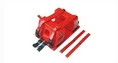
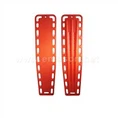
Spine boards, also known as backboards or trauma boards, are rigid platforms designed to immobilize patients with suspected spinal or traumatic injuries. They play a crucial role in pre-hospital care, emergency response, and hospital settings by minimizing movement that could exacerbate injuries.
Key applications include:
- Emergency rescues (vehicle accidents, falls, sports injuries)
- Water rescues (flotation-compatible spine boards)
- Military and tactical medical operations
- Hospital transfers and radiology procedures
-The Essential Guide to Using Spine Boards Safely and Effectively* emphasizes that proper immobilization reduces the risk of spinal cord damage, making these devices a must-have in any medical or rescue kit.
2. Types of Spine Boards: Choosing the Right One for Your Needs
Not all spine boards are created equal. Different models cater to specific environments and patient needs. Here's a breakdown of the most common types:
A. Full-Body Spine Boards
- Standard flat boards: Made from high-density polyethylene (HDPE) or composite materials, these provide firm support for full-body immobilization.
- Radiolucent spine boards: Allow X-ray imaging without removing the patient, ideal for emergency departments.
B. Short Spine Boards (KED Boards)
- Designed for seated patients
- Often used with cervical collars for added stability
C. Water-Rescue Spine Boards
- Buoyant and corrosion-resistant for aquatic emergencies
- Feature drainage holes to prevent water accumulation
-The Essential Guide to Using Spine Boards Safely and Effectively* recommends assessing your operational environment before selecting a board-whether for EMS, fire rescue, or hospital use.
3. Key Features of High-Quality Spine Boards
When investing in a spine board, consider these essential features:
1. Durability & Material
- HDPE boards: Lightweight, chemical-resistant, and easy to clean
- Composite boards: Stronger but slightly heavier, ideal for high-impact scenarios
2. Ergonomic Handles & Straps
- Multiple handles for secure lifting and transport
- Adjustable straps to keep patients immobilized
3.Weight Capacity & Size Options
- Standard adult vs. pediatric boards
- Compact designs for confined spaces
4. Compliance with Safety Standards
- Meets OSHA, NFPA, and ASTM guidelines
- Non-toxic, flame-retardant materials
Following *The Essential Guide to Using Spine Boards Safely and Effectively*, always inspect boards for cracks, warping, or wear to ensure reliability in critical moments.
4. Best Practices for Using Spine Boards
Improper use can negate the benefits of spine boards. Here's how to maximize safety:
A. Patient Assessment & Positioning
- Log-roll technique: Minimizes spinal movement during transfer
- Head immobilization: Use foam blocks or a cervical collar
B. Securing the Patient
- Apply straps at the chest, hips, and knees
- Avoid over-tightening to prevent circulation issues
C. Post-Use Care
- Disinfect after each use (especially in infectious disease cases)
- Store in a dry, accessible location
-The Essential Guide to Using Spine Boards Safely and Effectively* stresses training and regular drills to ensure proficiency among responders.