



How Spine Boards Save Lives in Critical Situations: The Ultimate Guide to Emergency Immobilization
When every second counts in emergency medical scenarios, having the right equipment can mean the difference between life and death. Among the most critical tools for first responders is the spine board-a simple yet revolutionary device that has proven time and again how spine boards save lives in critical situations.
Understanding Spine Boards: Design and Functionality
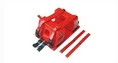
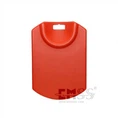
Spine boards, also known as backboards or spinal immobilization devices, are rigid platforms designed to stabilize patients with suspected spinal injuries during transport. Their primary purpose is to prevent further damage to the spinal cord, which could lead to paralysis or even death.
Key Features of Modern Spine Boards:
1. High-Impact Materials – Most spine boards are constructed from lightweight yet durable materials like polyethylene or composite plastics, ensuring they can withstand extreme conditions without adding unnecessary weight.
2. Ergonomic Handles – Designed for easy maneuvering, these boards often include multiple handles for secure lifting and positioning.
3. Radiolucent Properties – Many advanced models allow X-rays to pass through, enabling medical professionals to conduct imaging without moving the patient.
4. Secure Strapping Systems – Adjustable straps and head immobilizers ensure the patient remains completely stable during transit.
The Life-Saving Applications of Spine Boards
1. Motor Vehicle Accidents
One of the most common scenarios where spine boards are deployed is in car crashes. Victims may suffer whiplash, fractures, or spinal misalignment, and improper handling can worsen their condition. Emergency teams rely on spine boards to safely extract and transport patients while maintaining spinal alignment.
2. Sports Injuries
Athletes in high-impact sports like football, gymnastics, or skiing are at risk of spinal trauma. Spine boards are essential in these environments to prevent catastrophic injuries during evacuation.
3. Falls and Workplace Incidents
Construction workers, firefighters, and industrial laborers often face fall-related injuries. A properly secured spine board can prevent secondary damage while moving the patient to a medical facility.
4. Water Rescues
In drowning or near-drowning cases, spine boards with flotation capabilities help stabilize victims while they are pulled from the water, ensuring their spine remains protected even in chaotic conditions.
Best Practices for Using Spine Boards
To maximize effectiveness, medical professionals follow strict protocols when applying spine boards:
- Assessment First – Before immobilization, responders must evaluate the patient's condition to confirm spinal injury risks.
- Proper Positioning – The head, neck, and torso must be aligned before securing the patient to the board.
- Team Coordination – At least three responders are typically needed to log-roll the patient onto the board safely.
- Monitoring During Transport – Even after immobilization, continuous checks for breathing and circulation are crucial.
Failure to follow these steps can reduce the board's effectiveness, reinforcing why proper training is essential in understanding how spine boards save lives in critical situations.
Innovations in Spine Board Technology
Recent advancements have further enhanced spine board efficiency:
- Disposable & Anti-Microbial Options – Reducing infection risks in mass-casualty scenarios.
- Adjustable Designs – Some models now feature segmented sections for better patient comfort without sacrificing stability.
- Integrated Monitoring Systems – Cutting-edge boards include sensors to track vital signs during transport.
These innovations ensure that spine boards remain at the forefront of emergency medical technology, continually improving their life-saving potential.