

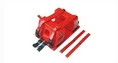



1. Call the police. In case of casualties, don't panic and call the emergency phone immediately.
2. Carry out necessary on-site treatment for the sick and wounded.
Quickly eliminate fatal and injury factors. For example, remove heavy objects from the body and evacuate from the poisoning site. In case of accidental electric shock, immediately cut off the power supply. Remove silt, vomitus, blood clots or other foreign bodies from the nose and mouth of the sick and wounded, and keep respiratory tract unobstructed.
Check the vital signs of the wounded. Check the breathing, heartbeat and pulse of the sick and wounded. If there is no breathing or cardiac arrest, cardiopulmonary resuscitation should be carried out immediately on site.
Stop bleeding. If there is traumatic hemorrhage, it should be bandaged quickly to stop bleeding. Hemostatic materials should be made from local materials, such as pressure bandaging, tourniquet application or finger pressure hemostasis. Then send the sick and wounded to the hospital as soon as possible.
If there is prolapse of abdominal organs or encephalic tissue, clean towel, soft cloth or enamel bowl can be used to protect it.
Those with fractures shall be temporarily fixed with wooden boards, etc.
If you are in coma, pay attention to heartbeat, respiration, and size of pupils on both sides before you know the cause. If the tongue falls behind, the tongue should be pulled out or fixed outside the mouth with a pin to prevent suffocation.
3. Quickly and correctly transport the sick and wounded. According to different injury conditions and illness conditions, select appropriate tools for transportation according to the priority of illness. Attention should be paid to the changes of the sick and wounded during transportation.