

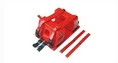
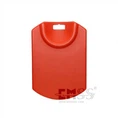


I spent a week riding with an EMT crew once, and one thing became clear quickly: immobilizing a broken limb is harder than it looks. The patient is in pain, the limb is swollen and you need to stabilize it without causing any further damage. That challenge is represented by a Medical Foam Fracture Splint. It's a simple device, foam padding over a rigid backing, but how it is applied and where it works best depends on the situation.
Construction Breakdown
These splints have two layers, each with a different function. The outer layer is what causes the stiffness. Typically it is aluminum that you can bend to fit the shape of the limb, or pre-molded plastic that already fits the anatomical curves. The inner layer is foam, typically closed-cell polyethylene. It is soft to the skin, and most of all, it will not absorb blood or sweat. That's important for roadside emergencies where you can't change a dirty splint.
Aluminum models have a distinct advantage: they are radiolucent, which means X-rays pass right through them. The patient can go straight to imaging with the splint on. Plastic models give the same benefit but some of the cheaper moulded splints have metal reinforcement strips which show up on X-ray, so check that specification before buying.
Where They're Really Used
Most common use is for wrist fractures. A splint with foam padding applied to a Colles fracture is adequate support for controlling pain during transportation. Keeps the wrist in slight extension to relieve pressure on the median nerve. Another common application is in hand injuries. In the case of a Boxer's fracture (i.e., fracture of the fourth or fifth metacarpal), the splint positions the knuckle at approximately 70 to 75 degrees of flexion. This angle allows the patient to use the thumb and index finger for minor tasks while the rest of the hand heals.
I have seen these splints used in pediatric orthopedics in non-emergency settings. Sometimes kids wear foam splints after hip surgery instead of a traditional spica cast. The foam is lighter and easier to keep clean, and parents find it easier to manage at home. Foam is showing early data as causing fewer skin complications than casts, but the evidence is still emerging.
What the Spray-On Alternative Shows
A new alternative has recently emerged, a spray-on foam splint that hardens onto the limb. You reduce the fracture, hold it steady and spray polyurethane foam right on the skin." And it dries in about 50 seconds. Military researchers compared it to the standard SAM splint, and the results were conclusive. The spray-on foam was much better at stabilizing the limb during simulated transport and impact than the malleable aluminum version.
That said, the traditional foam splint still wins on simplicity and cost for routine EMS use. No canisters to carry, no waiting for curing time, no special training beyond simple instructions.
Real World Application Notes
There are a few things to keep in mind when using these splints properly. The splint should extend above and below the joint involved in the fracture. So for a broken forearm, that means immobilizing both the wrist and the elbow. It is important to pad, as pressure sores can develop in hours if the rigid layer is in direct contact with bony prominence. Pre-packaged foam splints come with the padding built-in, but with larger custom splints you'll want to add extra layers.
Another thing field providers look for is strap placement. Straps should fit snugly enough to hold them in place but not so tight as to cut off circulation. A good rule: one finger should fit between the strap and the skin of the patient.
Concluding Thoughts
The Medical Foam Fracture Splint is not the newest tech, but it does a specific job well. It stabilizes broken bones long enough for the patient to reach definitive care, does not add risk of skin injury when applied correctly and works across a wide range of extremity injuries. That combination of features is what makes it the first line device of choice for most frontline providers.