

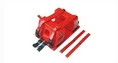


You find yourself in an emergency room. A patient arrives unable to breathe on their own. Someone reaches for a silicone manual resuscitator, and within seconds ventilation begins. This device is a hand-pumped bag with a mask attached. It is present in every crash cart, every ambulance, and every intensive care unit. Hospital staff rely on it when ventilators are not available or when a patient requires temporary support during transport. Knowing how to operate it correctly is not optional for clinical staff-it is expected.
What Comes in the Package
The silicone manual resuscitator consists of four main parts. The bag is made from silicone rubber and self-inflates after each compression. A valve sits between the bag and the mask-this valve ensures that air moves from the bag toward the patient during compression and then vents exhaled air outward during release. The mask is the soft part that forms the seal against the patient's face. If oxygen is connected, a reservoir bag attaches to the inlet port.
Take the device out of its packaging before the patient arrives. Connect all the pieces. Pull the bag open fully and let it snap back-this confirms the material has not stiffened from storage. Check the valve by blocking the patient port and squeezing. The bag should not deflate. If it does, the valve is faulty and the device cannot be used.
Placing the Mask on the Patient
Once the patient is positioned, the person operating the silicone manual resuscitator has one main job: maintain a tight seal between the mask and the face. This seal is the most common trouble spot. Even a small gap lets air escape, and the patient receives only part of the intended breath.
Place the mask over the nose and mouth. The narrow end of the mask sits over the bridge of the nose, and the wider end covers the mouth. Press down gently but firmly. The silicone rim helps conform to facial contours, but it cannot compensate for poor positioning. If the patient has a beard, extra pressure may be necessary, or a water-based gel can help fill the gaps.
Delivering Breaths
Squeeze the bag at a steady pace. Adult patients need a breath approximately every five to six seconds. Each compression should last about a second. The chest should rise visibly. If you cannot see the chest move, the mask is leaking or the airway is blocked.
The amount of air you squeeze matters as much as the timing. The bag is calibrated to deliver around 600 to 700 millilitres per squeeze for an adult. Paediatric patients need smaller volumes and faster rates. Children require around 12 to 20 breaths per minute with reduced squeeze force. Infants need 20 to 30 breaths with very shallow compressions. Over-inflating a child's lungs creates pressure injury.
Oxygen and Monitoring
Attach oxygen if it is available. The silicone manual resuscitator works without it, but patients in severe distress benefit from the higher concentration of inspired oxygen that the reservoir provides. Set the flow meter to 10 to 15 litres per minute. The reservoir fills between squeezes and ensures the bag receives oxygen rather than room air.
Watch the patient throughout the procedure. If the chest rises and falls normally and the skin colour improves, ventilation is effective. If the stomach distends instead of the chest, air is entering the stomach-this usually means the head is not tilted back enough or the mask is placed too low on the face.
After Each Use
Turn off the oxygen, disconnect the tubing, and separate the bag from the valve. Remove the mask. Rinse each part with cool water to remove debris before the cleaning cycle begins. The silicone manual resuscitator can handle autoclaving, but the valve and mask may have temperature limits printed in the instructions. Discard the device if any cracking appears in the silicone.
Final Reminders
The silicone manual resuscitator is a dependable tool when used correctly. Check the parts before every shift, maintain the mask seal during use, and adjust the rate for the patient's size. Following these steps ensures that a patient who cannot breathe on their own still receives adequate ventilation until a ventilator or advanced airway becomes available.