

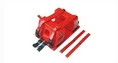



After selecting the site of the tourniquet, the cloth should be placed at the place, the tourniquet should be tightened, and the limbs should be knotted for two weeks. The tightness should be appropriate to observe that the wound is not bleeding. Remember to take time on the upper tourniquet, relax for half an hour every half hour in the winter and every hour in the summer, and then tie it up. When you tie again, the parts should be moved up and down. For patients with major bleeding, they should be sent to the hospital as soon as possible while the tourniquet is on the upper end.
Wash the wound with sterile water (boiled water) and gently locate the deep artery with a clean finger and carefully puncture the artery with a sterile line. This is the first time an open wound has been touched.
If the artery breaks completely, the end may shrink and it can be difficult to find. When you are confident that the artery is in a small piece of tissue, you can use a large needle to sew the entire tissue.
Check the success of the operation, loosen the bandage of hemostasis as soon as possible, and find out whether the artery that caused the bleeding is just the blood vessel that has been bandaged. If you find that you still bleed, you should immediately re-attach the tourniquet and continue to look for broken blood vessels. There are other small blood vessels in the tissue that provide the blood necessary for the limb to maintain physiological metabolism and maintain circulation.