


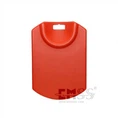


The Psychological Impact of Spine Boards on Patients in Emergency Situations: A Comprehensive Guide for Healthcare Providers
In high-stakes emergency scenarios, spinal immobilization is critical to prevent further injury-but the psychological toll on patients is often overlooked.
The Psychological Impact of Spine Boards on Patients in Emergency Situations is a growing area of research that highlights how these devices, while medically necessary, can exacerbate anxiety, claustrophobia, and trauma. Our advanced spine boards are designed to mitigate these effects through ergonomic innovation, ensuring both physical safety and emotional comfort.
Why Spine Boards Matter in Emergency Care
Spine boards are indispensable for stabilizing patients with suspected spinal injuries during transport. However, traditional rigid boards can intensify distress due to prolonged immobilization, discomfort, and sensory deprivation. Addressing The Psychological Impact of Spine Boards on Patients in Emergency Situations, our product integrates padded surfaces, adjustable straps, and lightweight materials to reduce panic and promote cooperation during treatment.
Key Features for Patient-Centered Design
1. Ergonomic Comfort: Contoured padding minimizes pressure points, alleviating pain and agitation linked to extended use.
2. Rapid Adjustability: Quick-release mechanisms allow faster transitions to hospital beds, shortening exposure to stressful immobilization.
3. Visibility and Communication: Transparent side panels enable patients to maintain visual contact with caregivers, reducing feelings of isolation-a critical factor in The Psychological Impact of Spine Boards on Patients in Emergency Situations.
Balancing Safety and Mental Wellbeing
Studies emphasize that patient cooperation improves outcomes. By prioritizing comfort without compromising stability, our spine boards address both the physical and emotional dimensions of care. For instance, pediatric models feature calming colors and caregiver interaction prompts to ease fear-a direct response to findings on The Psychological Impact of Spine Boards on Patients in Emergency Situations.