

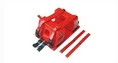
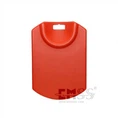


When it comes to emergency medical services, proper use of equipment can make all the difference in patient outcomes. One of the most commonly used pieces of equipment is the spine board, which is used to stabilize the spine and facilitate safe transport of patients with suspected spinal injuries.
1. Choose the Right Board
There are many different types of spine boards on the market, each designed for different applications. When selecting a spine board, consider factors such as patient size, weight capacity, and compatibility with your other equipment. Look for boards that are lightweight, easy to clean, and have rounded edges to prevent injury.
2. Position the Patient Correctly
When placing a patient on a spine board, position them correctly to ensure optimal spinal alignment. The head should be in a neutral position, and the chin should be supported with a cervical collar or rolled towel. The body should be in a straight line, with the arms crossed over the chest and the legs together. Use straps or restraints to secure the patient to the board, being careful not to apply too much pressure to the spine.
3. Use Proper Lifting Techniques
When handling a spine board, it is important to use proper lifting techniques to avoid injury to yourself or the patient. Always lift with your legs, keeping your back straight and your core engaged. Use a team approach to move the patient onto the board, with one person overseeing the patient's head and neck and others supporting the body and legs. Do not twist or bend the spine during the transfer process.
4. Monitor the Patient's Vital Signs
While the spine board is designed to stabilize the spine, it is important to monitor the patient's vital signs throughout transport. Check the patient's pulse, blood pressure, and respiration rate regularly, and be prepared to administer medical interventions if necessary. If the patient shows signs of respiratory distress, such as shortness of breath or shallow breathing, consider removing the cervical collar to facilitate airway management.
5. Remove the Patient Properly
When it is time to remove the patient from the spine board, do so carefully to avoid exacerbating any spinal injuries. Use a similar team approach to the transfer process, with one person supporting the head and neck and others supporting the body and legs. Remove the straps or restraints slowly and gently, and be prepared to re-secure them if the patient experiences any discomfort or instability.
