



How Spine Boards Facilitate Seamless Patient Transportation in Emergencies
When every second counts during a medical emergency, having the right equipment can make the difference between life and death. How spine boards facilitate seamless patient transportation in emergencies is a critical consideration for first responders, hospitals, and emergency medical teams. These essential tools provide stability, safety, and efficiency when moving patients with suspected spinal injuries, ensuring they receive timely care without further harm.
The Critical Role of Spine Boards in Emergency Care
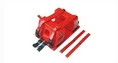
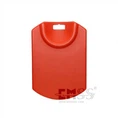
Spine boards, also known as backboards, are rigid, lightweight panels designed to immobilize patients with potential spinal or traumatic injuries. Their primary function is to prevent movement that could worsen spinal damage during transport. How spine boards facilitate seamless patient transportation in emergencies lies in their ability to:
1. Stabilize the Spine – By securing the head, neck, and torso in a neutral position, spine boards minimize the risk of secondary injuries.
2. Enable Safe Transfer – Whether lifting a patient from a car accident or extricating them from a confined space, spine boards provide a stable platform for smooth movement.
3. Enhance Team Coordination – With handles and straps, multiple responders can work together efficiently, ensuring the patient is moved swiftly and securely.
Key Features of High-Quality Spine Boards
To maximize effectiveness, modern spine boards incorporate advanced design elements:
Lightweight yet Durable Materials – High-density polyethylene or composite materials ensure strength without excessive weight.
Radiolucent Properties – Allows for X-rays without removing the patient from the board, speeding up diagnostics.
Ergonomic Handles & Straps – Facilitate secure gripping and full-body immobilization during transport.
Waterproof & Easy to Clean – Essential for infection control in emergency and hospital settings.
Understanding how spine boards facilitate seamless patient transportation in emergencies helps medical professionals choose the best equipment for their needs.
Applications Across Emergency Scenarios
Spine boards are indispensable in various situations:
Trauma & Accident Response – Used by EMTs to extract and transport victims of car crashes, falls, or sports injuries.
Search & Rescue Operations – Ideal for wilderness or disaster scenarios where spinal stabilization is crucial.
Hospital & EMS Use – Ensures safe patient transfers between ambulances, stretchers, and imaging tables.
Why Proper Training Matters
While spine boards are highly effective, their benefits are fully realized only when used correctly. Training in proper lifting techniques, strap placement, and patient positioning ensures that how spine boards facilitate seamless patient transportation in emergencies translates into real-world success.