

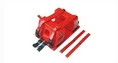



When a person is seriously ill, he visits the hospital. There might be emergency situations and to handle them, the hospitals must be properly equipped. When you are running a hospital and want to add emergency facilities to it, initially you must focus on the basic priorities. To start with, it is important to have things, such as an ambulance stretcher in the emergency section of the hospital. However, adding an ambulance stretcher isn't not enough. The staff must also be aware of the process to use such a type of stretcher in a hospital.
Here are a few quick tips to help your staff develop the skills of using an ambulance stretcher safely, for them and the patient.
Follow the Basic Safety Steps
There are very basic steps that your staff needs to follow while using an ambulance stretcher. It is best and safest to manoeuvre an ambulance stretcher on level ground. The personnel handling the ambulance stretcher have to follow that step to help prevent the ambulance stretcher from tipping over if one of the operators happens to lose their footing. This is very important for both the operator and patient, regardless of how many operators are handling the stretcher.
Have they taken a look at the wheels after setting the ambulance stretcher?
That's a basic safety rule. The hospital staff should check the wheels to ensure that they are secured and the brakes are working properly. Remember, when they're putting a patient on the ambulance stretcher, the patient must feel comfortable and should have full confidence on the ability of the personnel to place them securely in the ambulance. Taking all the precautionary measures ensures that the patient has no chance of sliding down the stretcher, or worse, if the stretcher is stable enough to handle their weight.
Assure the Patient of the Safety
The patient plays an extremely important role in ensuring that the stretcher is carried properly. So, it is the duty of the staff carrying the ambulance stretcher to assure the patient of the safety. Besides, they should also check out the weight of the patient and ensure that they are using the right kind of stretcher, which can carry the patient. This is because, all stretchers are not made to carry extremely heavy weights. So, checking the capability of the stretcher before using it is extremely important.
Check the Legs of the Stretcher
The legs of the ambulance stretcher are among its most important parts. It helps to raise the stretcher to a higher level, and likewise, adjust the stretcher to lower heights. It's clearly one of the most important features of the ambulance stretcher. So, you must check the legs for any lose bolts, hairline cracks, or deformities prudently. Raising the height of the stretcher to a bedside height is sure to help you transfer the patient from his bed to the stretcher. However, the staff carrying the ambulance stretcher must ensure that the level of the stretcher is close to that of the bed and that the wheels of the stretcher are in the locked position. When raising the legs of the stretcher, it is important to check that it is locked in position properly with an underhanded grip before releasing. Otherwise, the stretcher might collapse suddenly, and potentially further injure the patient more severely.
Place the Stretcher Properly Inside the Ambulance
The task of the staff carrying the patient on the ambulance stretcher does not end with having the patient on the stretcher. In fact, it is only the beginning. The most important part of the job is to ensure that the stretcher is placed properly into the ambulance. When placing the stretcher, it is important to note that the stretcher is locked into the locking system for that stretcher when in the ambulance. Otherwise, it might be displaced completely when the ambulance is in motion.
When the hospital staff are using an ambulance stretcher, they must have a look at the handles of the stretcher. Usually, most of the ambulance stretchers have handles to help the personnel adjust the different height levels. When a patient is ready to be shifted to the ambulance, the personnel must hold the handles and push the stretcher into the space designated within the ambulance. When the stretcher is fully placed and locked into the ambulance, they can let go of the handles of the stretcher.
Conclusion
It's not an easy task to manage an ambulance stretcher and carry patients properly on them without learning, and training. The hospital staff who are in charge of managing the ambulance stretcher to transport and carry their patients must be properly trained to perform it safely. That is likely to help them use it properly and help the patients by bringing them to the hospital safely and on time.