


How Spine Boards Adapt to a Wide Range of Trauma Situations
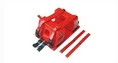
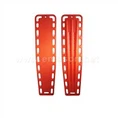
Spine boards, also called spinal boards, are used in emergency medical situations to immobilize injured individuals and reduce the risk of further damage. These medical devices are made from a variety of materials, including plastic, fiberglass, and carbon fiber, and they come in various sizes and shapes to accommodate different body types and injuries.
One of the key advantages of spine boards is their ability to adapt to a wide range of trauma situations. Whether a person has suffered a spinal injury, head trauma, or other types of serious injuries, a spine board can provide the necessary support and stability.
For example, in cases of spinal fractures or dislocations, spine boards are used to keep the spine in a neutral position, preventing further damage to the spinal cord. This is crucial in preventing paralysis and other serious complications.
Spine boards are also used for patients with head and neck injuries. In these situations, the patient's head and neck are immobilized to prevent any movement that could exacerbate the injury or cause additional damage. This is particularly important in cases of suspected head trauma, which can cause swelling and bleeding in the brain.
The versatility of spine boards is further demonstrated in cases of multiple injuries. For example, if a patient is involved in a car accident and has sustained injuries to the head, neck, and back, a spine board can provide the necessary support and stability to prevent further damage and facilitate transportation to a medical facility.
Spine boards are also widely used in water rescue scenarios. In these cases, spine boards are designed to float and are often used to support injured individuals in water until they can be safely transported to a medical facility. This can be a critical component of water rescue operations, particularly in situations where the patient is unconscious or unable to support themselves in the water.
In short, spine boards are an essential medical device that plays a vital role in emergency medicine. Their versatility and adaptability make them an ideal choice for a wide range of trauma situations, and their ability to provide immobilization and support can mean the difference between a full recovery and long-term disability.
In conclusion, spine boards are a crucial component of emergency medical care, and their adaptability to a wide range of trauma situations is a testament to their design and construction. Whether it's a spinal injury, head trauma, or multiple injuries, a spine board can provide the necessary support and stability to reduce the risk of further damage and enable safe transportation to a medical facility. If you are involved in emergency medical care, or simply want to know more about spine boards and their uses, please do not hesitate to reach out to your local medical provider for more information.
